An Outdoor Water Station for Your Dog
Set up a sturdy, easy to clean outdoor bowl that stays useful from the first trip into the garden to the last one before bed.
8 min read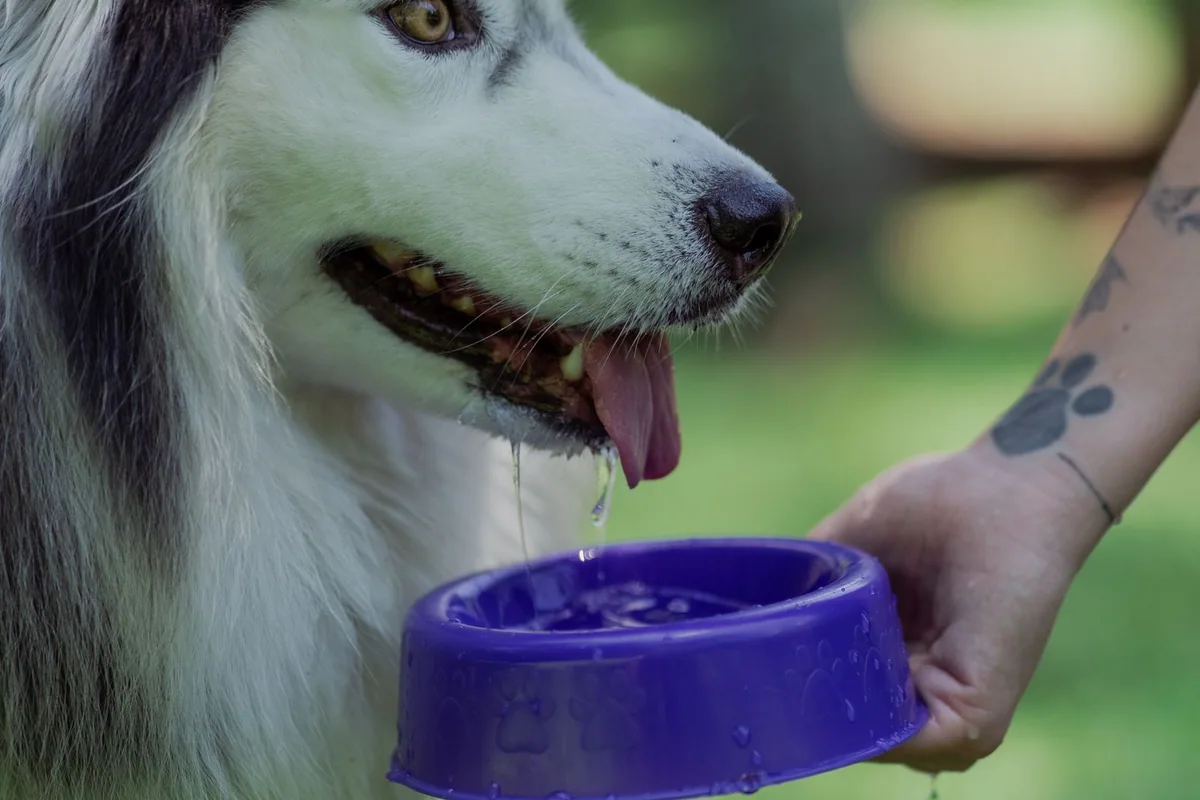
A water bowl that works perfectly on the kitchen floor can be awkward outside. On a deck it may rattle across the boards. On a lawn the ground can be uneven enough to spill half the water before the dog arrives. A bowl left at the back of a deep porch may stay shaded, but reaching it means squeezing past a chair or walking across a mat the dog avoids. The job is less about buying an outdoor product than choosing a place where the dog can drink and somebody will remember to take care of the bowl.
Start with the vessel you already have, if it is intact and easy to wash. Put it outside for a few ordinary trips into the yard and watch what happens. Which direction does the dog approach from? Can a person refill it without kneeling behind the furniture? Where does spilled water go? The first setup should be easy to change. That is the value of trying the layout before buying a stand, mounting a holder, or assigning a corner of the garden to it.
Follow the route your dog already takes
Think about the yard from the door out. One dog might cross straight to the fence to investigate the same patch of grass. Another might linger on the step while someone carries out laundry. A dog that likes sitting under a tree may rarely pass the patio table. All three spaces can contain a perfectly usable bowl, but only one placement is likely to get noticed naturally.
For the first trial, put the bowl beside a route the dog already walks without encouragement. Leave room to approach from the front and to walk away without reversing into a person, a wall, or another animal. If you have to hold a door open while the dog drinks, the location will be awkward for the next person who uses it. Move the bowl out of the swing of the door or away from the busiest footpath.
Check the same place at the time the yard is actually used. A patch of shade by the kitchen step in the morning may be in direct afternoon sun. If the family uses the garden after work, the late view matters more than the early one. A position just inside the shade line works until the shadow moves. A deeper covered spot can be preferable if the dog still has a clear way in and out.
If the outdoor surface changes from concrete to gravel or a wooden step, watch whether the dog stops at that transition. A dog that drinks willingly from the same bowl indoors may simply dislike standing on an unstable edge. A flat surface wide enough for all four paws gives the dog a more straightforward choice.
Compare bowls by how they behave on the ground
A bowl's diameter tells only part of the story. Two bowls of the same size can feel quite different if one has a broad base and the other narrows underneath. Try pushing the empty bowl sideways with one finger, then do the same when it contains water. If the base lifts readily or the bowl skitters, it is a poor match for a dog that nudges the rim. Stability matters especially near stairs, on a hard surface, or wherever a spill sends water toward the doorway.
Look for surfaces you can see and reach when washing. A straightforward stainless steel bowl with a rounded interior may be easy to clean and carry. A heavy ceramic bowl can sit firmly but should be checked for cracks or chips. A lightweight travel bowl can be useful for occasional outings and still be a nuisance as a permanent station because it shifts or folds. A complicated holder may conceal grime beneath the insert. Take the bowl out and imagine cleaning the holder in bad weather before you commit to it.
Compare the rim with the way your dog approaches. A deep narrow bowl can ask a short dog to reach uncomfortably. A shallow wide one leaves less reserve after a few laps and may collect more leaves. Pick the one your dog can drink from comfortably and that you can realistically carry back inside. An oversized bowl becomes a chore if you have to lift it when full. Fresh water in a convenient bowl is more useful than a large supply everybody postpones changing.
Work out where splashes and spills will go
Pour a small amount of plain water beside the proposed station and watch it run. On a porch, it might collect against the door. A shallow slope can send it under furniture. A thick mat can hide a damp patch instead of giving it somewhere to drain. In a garden, a dry spot near the entrance can turn muddy after repeated spills.
Try moving the bowl onto a clean, level paving slab or a wide porch tile with a grippy surface. If you need a tray, choose something easy to lift, drain, and rinse. Keep the edges low enough that the dog does not have to step over them while reaching for water. An old boot tray can catch splashes, though its corners will collect dirt and its size may make it inconvenient to wash. A shallow washable mat may be enough on a protected porch. Outside in the open, the surface and drainage matter more than any mat.
Notice how the space is used by people. A drinking bowl close to the table can be useful if everyone is there together. The same position is difficult if chairs scrape around it or children run between the house and garden. A small move to the side can prevent both collisions and interruptions while the dog drinks. If the household has a paved strip along the wall, check whether there is enough space to pass when the dog stands across it.
Make washing and refilling part of the layout
A bowl that is easy to check will get more attention than a bowl behind a planter. Keep it on a route that somebody already takes with a cup, a watering can, or a bag of rubbish. Tie the daily reset to an obvious household action, such as the last trip through the garden door. Empty the bowl, wash it as needed, rinse it thoroughly, and put it back with fresh water when the space is in use again. Replace water sooner if it contains leaves, insects, soil, or other debris. Avoid relying on a quick top-up to clear material already sitting at the bottom.
Keep the washing arrangement simple. If the bowl must be carried indoors, use a size that fits comfortably in the sink. If it is washed outside, put the cleaning brush somewhere dry and accessible, separate from a brush used for dirty outdoor jobs. Lift and inspect a bowl's underside, especially if there is a rubber ring. A removable ring can be easier to clean than one with narrow inaccessible creases.
Check the station after gardening or using any product nearby. Soil, dust, and spray can reach farther than expected. Move the bowl away before the work begins and bring it back only when the location is ready for the dog again. Avoid placing the station beneath a bird feeder or a downspout. Both can dirty a freshly filled bowl before anyone notices.
Give each animal a way to drink without being crowded
In a yard shared by several dogs, watch a quiet drink before assuming the setup works for everyone. One dog may step away when another approaches without growling or making a scene. The dog that keeps the bowl in view may merely be curious, while the other prefers more room. A single larger bowl changes the amount of water available without changing the cramped approach.
Try two bowls placed well apart so each dog can reach one without passing the other. Keep both away from spots where people queue at a door or where a narrow path creates an unavoidable meeting. If the yard is too small for comfortable spacing, provide separate access and a dependable indoor option. Avoid asking dogs to share a drinking place that routinely produces crowding or tension.
Plan for visiting dogs before visitors arrive. It is easier to choose an extra spot in a calm yard than to solve the layout while two dogs and several people gather at the entrance. Let guests know which bowls are available and where they can refill them. A spare bowl makes the arrangement more flexible, even if it goes back indoors after the visit.
Keep the indoor option and change the plan with the season
Treat the outdoor station as an extra access point while the dog is outside. An indoor bowl remains available when the door is closed, during weather that makes the yard less useful, or after the outside bowl has been brought in for cleaning. If it freezes outdoors, bring the bowl in when the yard is unattended and provide fresh water when you take the dog out. In very warm conditions, check water and shade frequently and make it easy for the dog to come inside.
Before buying anything else, look at the station after several days. If the same patch of paving is always wet, adjust the position. If the dog walks by and drinks as soon as it gets inside, try moving the outdoor bowl nearer the route or testing a more stable vessel. If the water is clean and the setup is easy to service, leave it alone. The finished station can be a plain bowl on a flat spot and a predictable refill routine. That simplicity is what makes it work on the day when nobody is thinking about equipment.