Keep a Cat’s Routine Steady with Overnight Guests
Make practical arrangements for doors, sleeping places, and morning chores before an overnight visitor arrives.
8 min read
A friend staying overnight might need only a towel and a place to leave a suitcase. For the cat, the same visit changes who walks down the hall at midnight and whether the spare room opens before breakfast. A friendly animal may spend the evening with the visitor and still dislike discovering their usual bed has been moved. A cat who vanishes at the sound of a suitcase can carry on quite comfortably if their ordinary route to the rest of the house remains available.
Start by choosing the room the visitor will use. Work outward from the door. Does the cat normally sleep there? Is the only litter box inside? Will a person closing the guest room for privacy cut off a route from the kitchen to another part of the house? Talk through those details while you're making up the bed. A practical plan gives the guest room to relax and leaves the cat with a dependable way to eat, drink, and rest.
Decide which places the visit will change
Walk through a typical weekday evening. Notice where the cat is as you set the table, turn off the main lights, and go to bed. You may find that their apparent favorite spot in the guest room is a brief stop on a trip to a window, or that the guest room bed is where they spend most of the night. Decide which use matters most to accommodate before moving things. If a familiar perch elsewhere in the house will remain available, a closed spare room may have little effect.
Work on any necessary move well before the visit. If food or litter normally sits in the guest room, provide suitable access somewhere else while the original arrangement is still available, where possible. Check that the new place is reachable without passing unfamiliar feet or another pet's usual resting spot. Watch whether the cat uses it on an ordinary day. Closing the familiar door for the first time as the guest walks in gives you very little time to see whether the alternative is working.
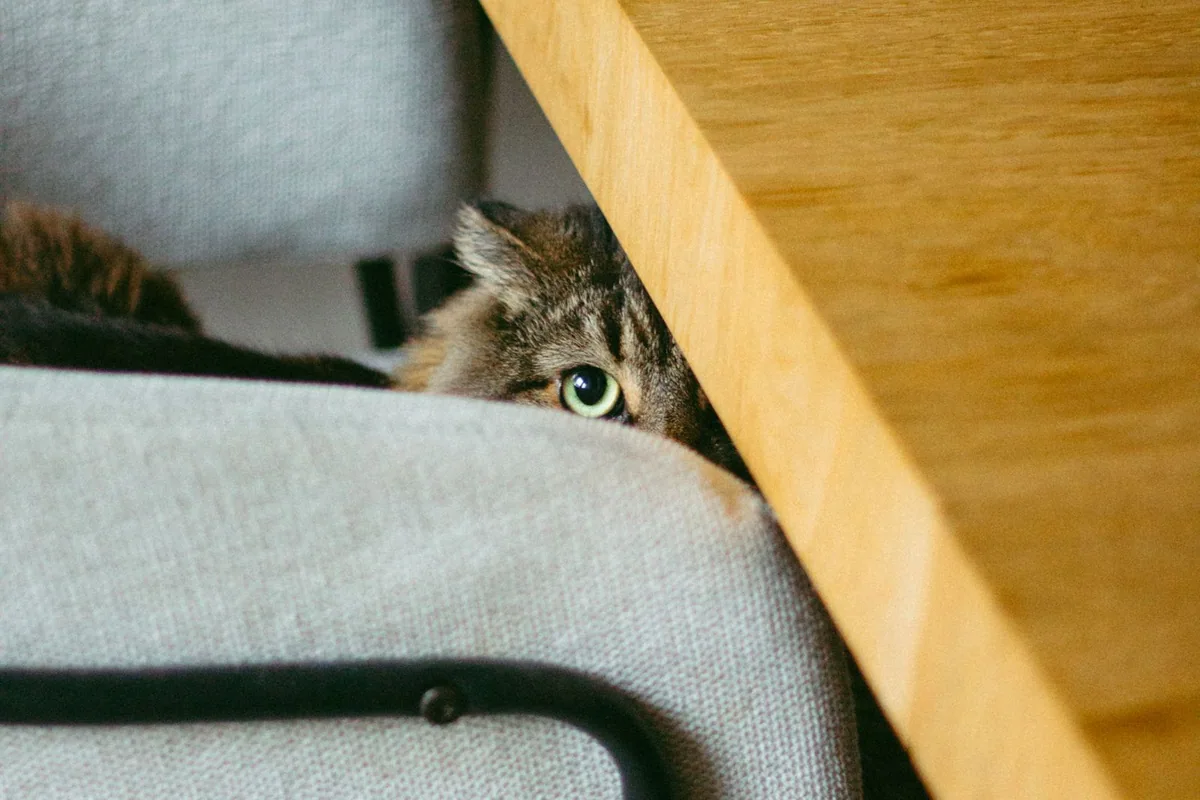
Offer a quiet place that will stay available for the whole visit. Put familiar bedding in a spot outside the areas guests need to use. Leave room to enter and turn, and keep one route to the rest of the house open. A retreat can be as simple as a covered resting spot under a sturdy table. If a visitor will be setting down bags in the same area later, find a different location so the retreat remains predictable.
If a visitor would rather keep the bedroom closed throughout the stay, agree on that up front. A consistent boundary is easy to plan around, and the guest can close the door without wondering whether they are interrupting the cat's routine.
Explain the doors when the guest arrives
Tell a guest what they need to know at the moment it matters. If the cat stays indoors, say so before the guest steps back out to fetch their bag. Explain whether the room door can be open and which windows should stay secured. If someone uses the back door to put their bicycle away, give them a place to wait while you check where the cat is. An easy routine is to close the interior door before opening the exterior one, where the layout allows it.
Walk the route to the bathroom. A guest should be able to find it after dark without opening several doors. Leave a light on where appropriate, and clear the floor. Show how to keep an interior door in its usual position, especially if it tends to drift closed. If the cat uses an adjacent room at night, make sure the route is open after the guest goes to bed.
Give visitors a place for bags, coats, and shoes. A high closed cupboard can be useful if a cat is drawn to straps or loose accessories, but check the cat cannot climb in while someone is unpacking. Ask guests to keep medicines, cosmetics, string, and small items securely away. Put a lidded rubbish bin where it is easy to use. It's easier for a guest to handle these things as part of settling in than to change their habits halfway through a visit.
Let introductions be brief
A cat may approach a seated person once and disappear until morning. The guest can keep their hands to themselves and let the animal decide where to stop. Ask them to avoid following the cat into another room or reaching under furniture. If the cat likes gentle attention, show the guest how they normally indicate they want to continue or leave. A person who is nervous around cats can be comfortable leaving them entirely alone.
Guests sometimes want to make friends by offering food. Let them know in advance if the cat has a routine they should leave to you. If you invite a guest to take part, provide the exact food you normally use and explain when it is offered. Keep the cat's normal meal in a familiar place with a way to leave. Serving it directly beside unfamiliar feet because the guest wants to see the cat can turn a predictable activity into an uncomfortable one.
If children are staying, plan their first contact while an adult can pay full attention. Show them where the cat's resting place is and give them another area for play. Keep toys with small pieces and long strings put away when they're finished. A short greeting in a room with plenty of space gives the cat an opportunity to leave and makes it easier for everyone to understand the arrangement.
Prepare for bedtime and the first hour of the day
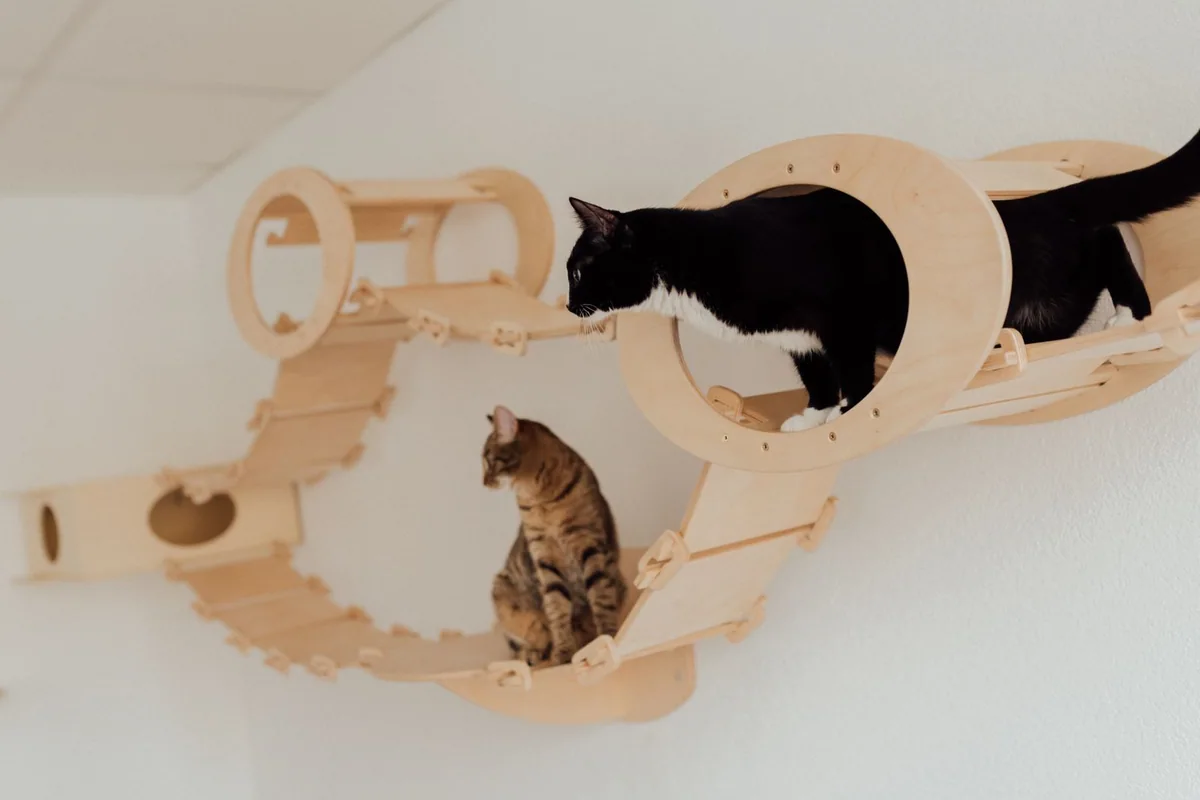
Before going to bed, walk through the rooms once more. Confirm that the cat can get to water and litter, and that the retreat remains open. If the guest uses the sofa rather than a separate bedroom, set aside the cat's usual cushion or blanket in a place where they can still use it. The rest of the room might change overnight because a sofa bed comes out. Leave a clear floor route so a cat used to passing along its front can reach the other side.
Set out what you need for the morning in a predictable place. A guest who gets up early may assume the cat wants breakfast immediately, or open the front door to check the weather. Explain what you'll handle yourself and leave instructions for anything the guest has agreed to do. If the cat has to wait because people are showering or making coffee, protect their usual feeding or litter area from that rush where you can.
Listen to what changes during the night. A suitcase rolling across the upstairs floor may disturb the cat once. A guest room latch that clicks each time the guest moves in the room can affect the whole evening. Fix what is practical before the next night. You might move a bag to a carpeted area or adjust the timing of a noisy task. Leave the guest enough privacy and comfort to use the house without feeling they are being asked to remain silent.
A guest staying on a foldout sofa may need a setup that changes twice a day. During the evening, the sofa can stay in its usual position while the cat uses the living room. Before unfolding it, wait until the cat has left the space, check the mechanism, and put the usual blanket in a quiet nearby place. Show the guest where they can leave shoes and a bag without narrowing the exit. In the morning, check where the cat is before folding the bed again. The arrangement is easier when the guest can do the ordinary parts independently and knows the one moment they need to check with you. A second set of blankets will usually be simpler than trying to share the same cushion.
Read how the cat is using the arrangement
Look at practical signals the following day. Has the cat used their litter and eaten as expected? Can you see them choosing to rest somewhere? Do they approach and back away from a particular door? If they spend more time out of sight but come out to use the house when it quiets, the retreat may be serving its purpose. If a new location for water or litter goes unused, revisit the route and give the animal easier access.
Use the quiet part of the day for familiar activities. A few minutes of play in the room the cat usually chooses can be more reassuring than a long session in the middle of a social gathering. Keep away from the retreat if the cat is sleeping there and let them come out when ready. If ordinary behavior changes in a sustained or concerning way, ask a veterinarian rather than presuming the guests explain everything.
After the guest leaves, open the familiar rooms once the outside doors and luggage are dealt with. Put the spare bedding away and let the cat investigate. Keep any new resource that was useful, such as a second spot to drink or a quiet resting cushion outside the guest room. A successful visit may leave the cat largely unseen, or it may turn them into a regular presence on the guest's chair. The measure is whether the animal could continue the ordinary routines they rely on while somebody else was using the house.