Build a Window Seat Your Cat Will Use
Start with the view and the route to it, then build a perch around the spot your cat already seeks out.
8 min read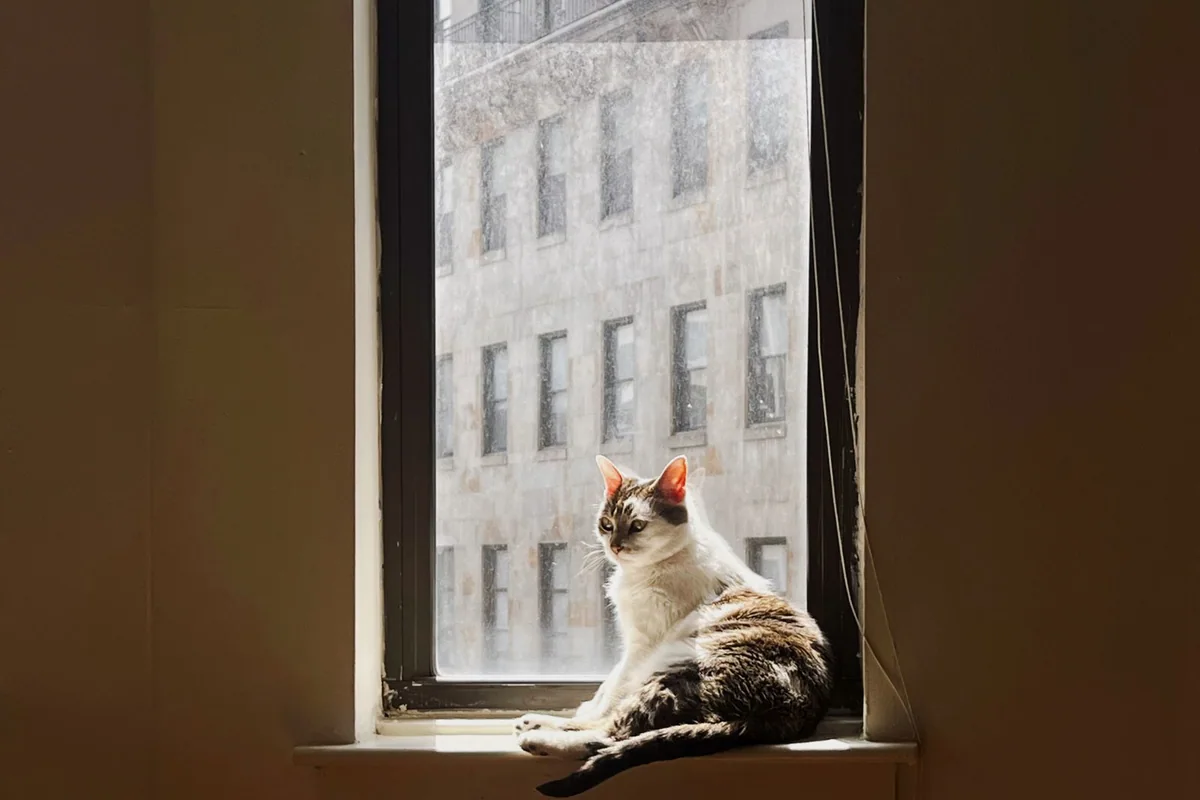
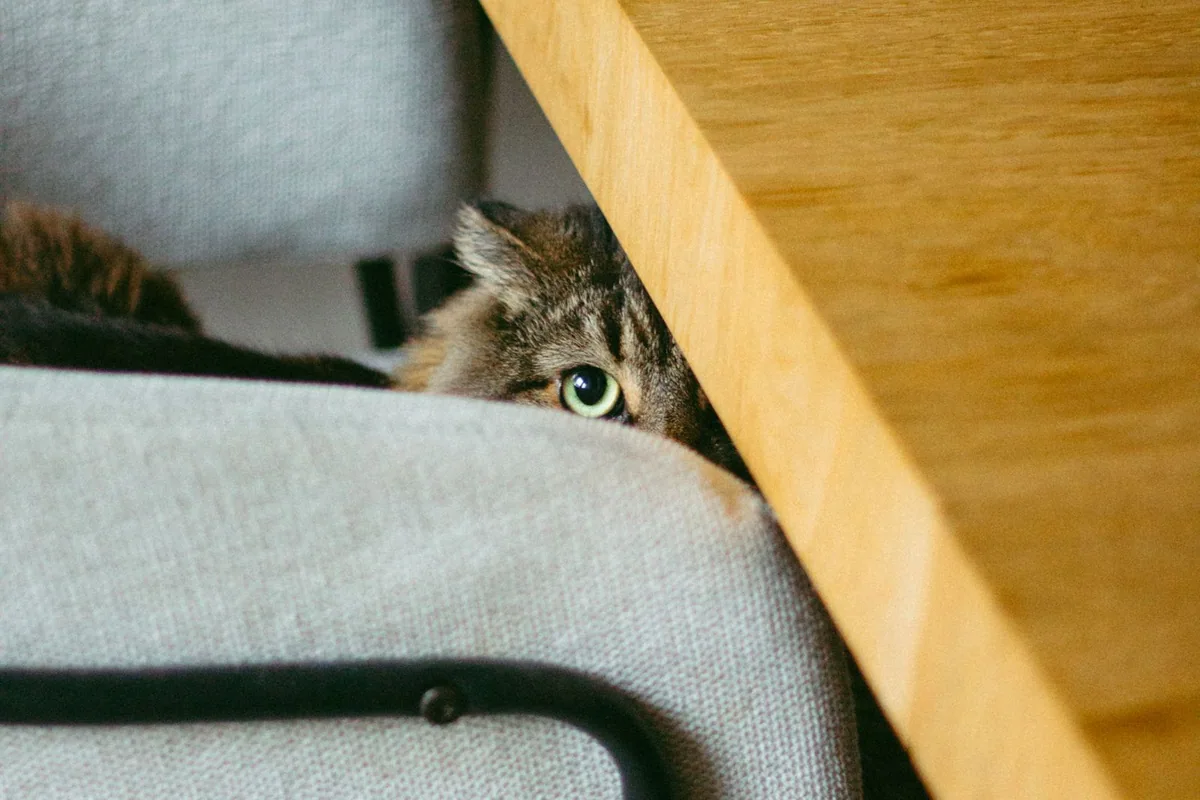
When a cat stretches up to see over a sill, the tempting response is to order a window hammock. The better first purchase might be nothing. Move a chair to the window for a few days and see when the cat visits, how they get on it, and whether they spend the visit looking outside or sleeping. A cat that wants to watch sparrows may sit upright for twenty minutes. Another will choose the back of the chair for the warmth and turn away from the glass. Both are using the window, but the furniture that would suit one could disappoint the other.
A good window seat also has to fit the room around it. Curtains should still close, people need to get past, and the animal needs a way down even when someone is standing close to the window. In a rented flat, the best answer may be a solid piece of movable furniture. In a narrow room, a properly mounted shelf might do more with the available space. Let a small test reveal what you actually need to build.
Compare windows at the hours they are used
Make a short tour of the house in the morning, around midday, and near sunset. At each candidate window, notice where the sun falls and how traffic changes outside. A back window may look uninteresting at breakfast but have a steady stream of birds toward evening. A street window that feels peaceful on a Sunday could rattle during the delivery hour. If the cat tends to arrive after you leave the room, check where the fur and indentations show up rather than hovering in the doorway to watch.
Sit where the cat's eyes would be and look out. A radiator cover can seem like a great height until you discover that a solid rail blocks everything below the sky. A window film can give the room privacy while taking away the street-level view. Sometimes the best sightline is from a chair set a little back, where the cat can see the garden without pressing against the pane.
Give two promising windows comparable trial furniture if you can. When one gets a pillow and the other gets a slippery table, the results say as much about the furniture as the view. If you have only one spare chair, put it at each window for several days. Keep the rest of the room as steady as practical so that a visiting dog or a round of painting doesn't distort the experiment.
Make the approach easier than the leap
Watch what happens on the way to the chair. Some cats go straight from the floor. Others start from an armrest, climb from a neighboring cabinet, or hop onto a lower surface before committing. A route that looks like one jump in your floor plan may actually require a small ladder of objects. Save the furniture that supplies a useful intermediate step until you've planned a replacement.
Pay more attention to the landing than to maximum jump height. A cat may be able to reach a tall shelf with room to spare, then hesitate on the way down because a glass table occupies the spot where they'd naturally land. Plan for a surface wide enough to turn around on. Leave the floor below clear. If you use a step, give it a stable base and a surface the cat can grip. Test it with pressure from more than one direction, since an animal leaping sideways can shift an object that seemed solid when pushed straight down.
Notice where the cat goes when something surprises them. If the only escape takes them straight past the dog's bed or the front of a vacuum cleaner closet, the perch may become a trap from the cat's perspective. In a household with several pets, a broad route with an alternative approach often matters more than a seat with enough room to hold two cats.
Build around the weight and movement
For a movable seat, a low bench, a solid chest, or a sturdy dining chair can be enough. Skip rolling chairs, wobbly legs, and folding furniture with an unreliable lock. If the base can tip when weight lands at its outer edge, choose a broader base. For a freestanding cat tree, assemble and secure it according to the manufacturer's directions, and check whether the top platform stays steady when pushed from the side.
A fixed shelf needs support rated for the installation and the kind of load it will take. A jump is more demanding than an animal lying still on a scale. Consult the product's installation instructions and a competent installer if you are uncertain about the wall, hardware, or load. Keep the cat out of the room during installation and clear away dust, screws, and packing ties before opening the door again.
Window-mounted products vary in how they attach. Treat their directions about glass surfaces, mounting temperature, and rechecking the attachment as part of the setup. A dry suction cup on clean, suitable glass may behave very differently from one applied to a cold pane that regularly gets condensation. Avoid mounting a seat over furniture with hard corners or anything breakable. A stable bench usually makes a much simpler choice when the window or attachment conditions are doubtful.
Give the seat texture, room, and shade
A washable pad that lies flat is often enough. Cut a piece to match the platform so the edges cannot snag underfoot or hang over a gap. Heavy draped blankets can slide with the first sideways leap. If a cover bunches up when you pull a hand over it, secure it using the product's intended fastenings or swap it for a better fitting cover. Replace anything with loose threads, damaged seams, or exposed filling.
Size the surface for the cat's position of choice. A loafing cat uses surprisingly little space, while a stretched-out sleeper can occupy the entire width of a dining chair. A seat that accommodates a sideways stretch and a turn is usually more useful than a narrow ledge designed only for sitting upright. On a sunny ledge, keep the animal's route to a shaded area clear. Check the perch at the sunniest part of the day yourself because a surface that feels pleasant in the morning can heat up later.
Keep blind cords, ties, and loops out of reach, and use appropriate window safety hardware. Ordinary insect screens can come loose and should never be relied on to hold back a cat. A perch that only works with an unsecured open window is a poor fit. Check the swing or tilt of the window sash and the travel of curtains before settling on a location. You may discover that shifting the chair a few inches lets the window function without brushing the cat every time the curtains close.
Separate watching from agitation
A view can be engrossing or upsetting. A cat that settles on their front feet and occasionally changes position may spend a pleasant afternoon watching the yard. Prolonged pacing, hiding after visits, or tension when an unfamiliar cat appears calls for a closer look at what is happening outside. Track the timing and compare the same window when the outdoor visitor is absent. If the pattern is tied to a low sightline, a small opaque panel along that part of the window can preserve a view of the trees while screening the path below.
Another option is to make the window available during the quieter part of the day and give the cat a second resting place well inside the room. That gives them a choice if the outside activity changes. Close the curtains slowly and well away from a resting cat, or wait until the seat is vacant. Changes to the room that leave the animal an easy retreat are more useful than forcing them to stay by an intense view in the hope they'll get used to it.
Avoid attracting birds right against the window simply to entertain the cat. You can appreciate whatever passes naturally and use a safer arrangement for the birds if you maintain feeders. Indoor play also gives the cat a chance to chase and catch an object after a long bout of watching, if they show interest and have room to move.
Give the trial a proper week
Once the seat is in place, leave it alone long enough for it to become ordinary. Check whether it collects fur, whether the cover shifts, and whether you catch the cat using it when you're busy elsewhere. A successful seat may get several short visits a day instead of becoming the cat's main nap spot. If the cat uses the trial chair but ignores the new shelf, put the chair back briefly and compare the two heights, textures, and approaches. Alter one feature at a time so you can see which change matters.
Use the second week to test the seat against everyday chores. Can you vacuum underneath? Can you reach the curtain without leaning over the cat? Is the pad simple to wash and replace? Do you have to keep moving the step so people can pass? A perch that stays in place through a house cleaning or a rainy weekend is more likely to become a reliable part of the cat's routine.
At the end, keep your notes simple. Write down the window, the hours that matter, the preferred approach, and the feature you'd retain if you rearranged the room. The most valuable discovery might be that the cat wants an afternoon sun patch behind the armchair. You can recreate that arrangement in another room without committing to a piece of furniture that happens to look good in a product photo.